Phone-Free Bedroom: How a Simple Sleep Boundary Can Change Your Nights
Keeping your phone out of the bedroom sounds extreme—until you try it. Here’s a practical, non-judgy guide to sleeping better without late-night scrolling.
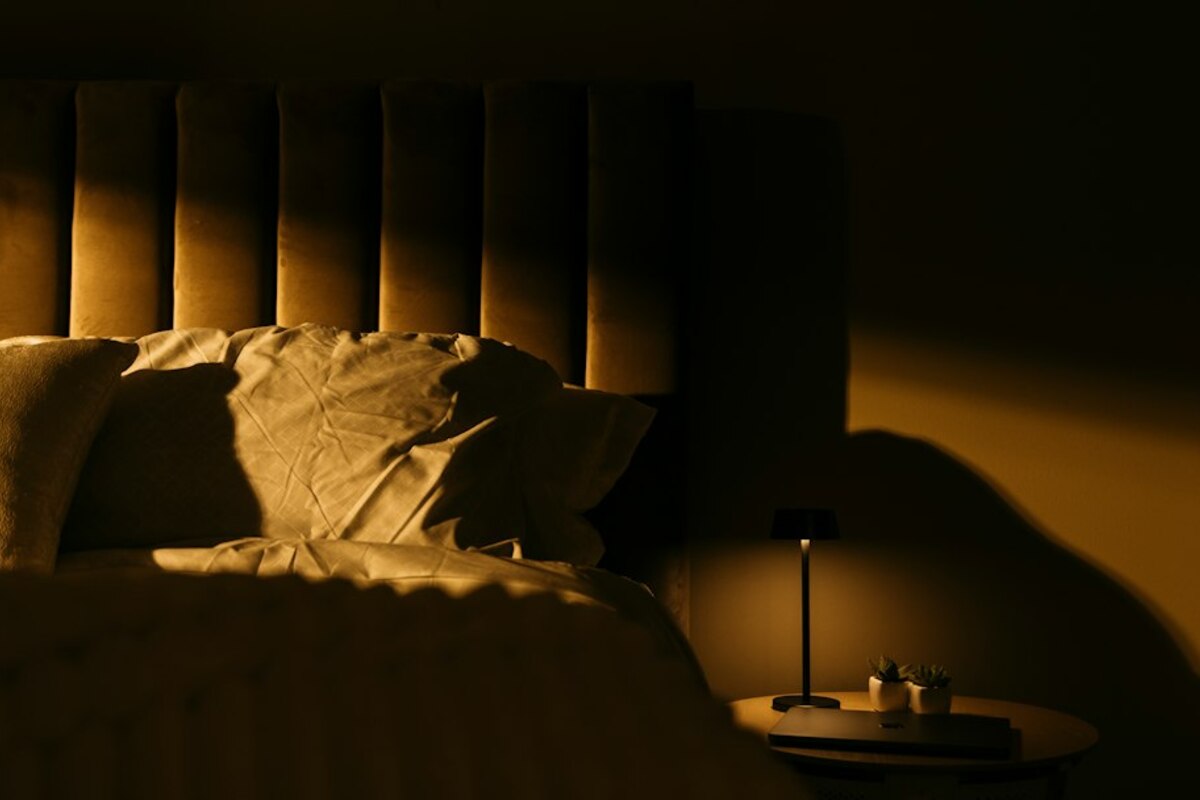
- A phone-free bedroom reduces “one more scroll” moments and makes sleep easier to start and protect.
- You don’t need perfection—use simple substitutes like an alarm clock, charging station, and a short wind-down routine.
- Social and work expectations can be handled with clear settings, messages, and a realistic emergency plan.
Why the bedroom is the hardest place to “just use less phone”
The idea sounds simple: don’t bring your phone to bed. But for many people, the bedroom is where the phone feels most useful—and most irresistible. It’s your alarm clock, your entertainment, your late-night comfort, your “one last check” for work messages, and your social life in your palm. That mix makes the bedroom a high-stakes place for habits.
There’s also a sneaky timing issue. At night, your brain is tired, your self-control is lower, and your emotions tend to feel louder. That’s when the phone’s endless feed is most tempting. The phone isn’t just a device; it’s a vending machine of tiny rewards—new posts, new messages, new videos. When you’re exhausted, “tiny rewards” can feel like the easiest way to unwind.
Here’s a relatable scenario: you get into bed planning to sleep. You open your phone to set an alarm. A notification preview appears: “Did you see what happened?” You tap. Ten minutes later you’re reading comments. Then you remember you need to reply to one email. Suddenly it’s 12:47 a.m. and your brain is wide awake.
A phone-free bedroom works because it changes the environment, not just your willpower. It’s like leaving cookies on the counter versus putting them on a high shelf. You can still eat cookies—but you’ve removed the “accidental cookie” problem.

What “phone-free” actually means (and what it doesn’t)
“Phone-free bedroom” can sound like a strict rule, but it doesn’t have to be dramatic. The goal is to stop your bed from becoming a scrolling station and your sleep time from becoming a second shift online.
It helps to define it in practical terms:
- Phone-free means the phone is not within arm’s reach of the bed (ideally not in the room).
- Phone-lite means the phone can be in the room but not in the bed (for example, charging across the room).
- Emergency-ready means you can still be reachable by the right people, without having your whole internet life in your pillow.
Many people fail with this habit because they aim for the strictest version on day one. A smoother approach is to pick a level that matches your life right now and upgrade later.
Common worry: “But I use my phone as an alarm.”
That’s the number one reason people keep the phone on the nightstand—and it’s also one of the easiest to replace. A basic alarm clock solves it completely. If you don’t want another device, you can keep your phone as the alarm, but charge it across the room so you must physically get up to turn it off. That single change often reduces late-night use, because the phone isn’t in your hand by default.
Common worry: “What if someone needs me?”
You can plan for that without sleeping next to every notification. Most phones allow exceptions (favorites, repeated calls, or specific contacts) while silencing everything else. Think of it like locking your front door but giving a key to people you trust.
Common worry: “I need background noise or podcasts to fall asleep.”
You can still do that phone-free by using a small speaker, a smart speaker, or setting audio to start while the phone stays across the room. Another option is using a sleep timer so the audio stops on its own and you’re not tempted to keep interacting.
The real shift is treating the bedroom like a place with one main job: sleep (and rest). Not “sleep plus entertainment plus inbox plus news plus shopping plus social.”
| Bedtime friction point | What usually happens | Phone-free swap |
|---|---|---|
| Alarm clock | You pick up the phone “just to set it” and start scrolling | Use a cheap alarm clock, or charge phone across the room |
| Stress checking | You scan email/news for “control,” feel more alert instead | Write tomorrow’s top 3 tasks on paper; check in the morning |
| Can’t fall asleep | You grab the phone for distraction and lose track of time | Keep a paperback book or magazine by the bed |
| Night wake-ups | You check the time and end up checking everything else | Turn clock face away; practice a short “back to sleep” routine |
How to set it up so it actually sticks (without becoming a moral crusade)
Most lifestyle habits fail because they rely on motivation. A phone-free bedroom succeeds when you design a system that makes the right thing easier than the wrong thing.
Step 1: Create a “charging home” outside the bed zone.
Pick one spot where the phone lives at night: a hallway table, a kitchen counter, a shelf near the bedroom door, or a desk. Add a charger there—ideally a long cable or a charging stand so it feels convenient. If the phone doesn’t have a “home,” it will wander back to the nightstand.
Step 2: Replace the phone’s two bedtime jobs.
Usually the phone does (1) alarm and (2) entertainment/comfort. You’ll want replacements ready on day one.
- Alarm replacement: basic alarm clock, sunrise lamp, smart speaker alarm, or phone across the room.
- Comfort replacement: a paper book, a notepad for thoughts, a calming playlist started before you get in bed, or a simple stretch routine.
Think of it like moving houses: if you throw out your old couch but don’t have a new place to sit, you’ll end up sitting on the floor. Same idea—replace what the phone was providing.
Step 3: Use a “closing shift” for your brain.
A big reason people scroll at night is unfinished mental business. Your brain is trying to tie up loose ends. A 3–7 minute routine can do that better than the internet.
Try this quick script:
- One-minute tidy: clear one surface (desk corner, nightstand, or kitchen counter).
- Two-minute note: write down tomorrow’s first task and any worry you keep rehearsing.
- Two-minute reset: wash face/brush teeth and change into sleep clothes—signals “we’re done.”
- One-minute comfort: read one page, stretch calves/neck, or do slow breathing.
This isn’t about being perfect or spiritual. It’s simply telling your brain: “Nothing else needs solving tonight.”
Step 4: Make the phone less tempting when you do use it.
Even with a phone-free bedroom, you’ll still use your phone at night sometimes—on the couch, in the kitchen, or before you start your routine. Make that time less sticky:
- Turn off non-essential notifications (especially social and news).
- Use Focus/Do Not Disturb with allowed contacts.
- Move the most addictive apps off the home screen.
- Set the screen to grayscale in the evening (many phones allow scheduled grayscale).
These are small “speed bumps.” They don’t remove freedom; they reduce the autopilot behavior that steals sleep.
Step 5: Handle the social/work pressure without sounding dramatic.
One reason people keep phones close is fear of seeming unavailable. You can set expectations with simple language that doesn’t invite debate.
Examples you can send once (or add to a team status):
- “I’m offline after 10 p.m. If it’s urgent, call me.”
- “I check messages in the morning—if something can’t wait, please ring.”
- “I’m doing a better sleep routine, so I’m slower to reply at night.”
If you’re on call for work or have caregiving responsibilities, phone-free may need to be “phone-lite.” That still counts. The point is reducing optional interaction—scrolling, reacting, researching—that expands into an hour.
Step 6: Plan for the two moments most people relapse.
Relapse isn’t failure; it’s usually predictable.
- Moment #1: The rough day. You want comfort fast. Put the comfort tools where your hands will go: book on pillow, notepad on nightstand, charger outside the room. Make the “good choice” the default.
- Moment #2: The middle-of-the-night wake-up. You check the time, then check everything. Consider a clock you can see without picking up a phone. If you wake up, try a no-phone rule: bathroom, water, back to bed—no screen.
A realistic approach: start with a 5-night experiment.
Instead of promising yourself “forever,” run a short test: five work nights with a phone-free bedroom. Treat it like trying a new pillow. Notice what changes: time-to-sleep, number of wake-ups, morning mood, how quickly you get out of bed. People often find that the mornings improve first—less groggy doomscrolling, less rush, more control over the day.
If it truly helps and doesn’t turn into browsing, you can keep it—but add guardrails: use an e-reader app in full-screen, set a 10–15 minute timer, and keep notifications off. Many people switch to a paperback because it can’t “accidentally” become email.
If it truly helps and doesn’t turn into browsing, you can keep it—but add guardrails: use an e-reader app in full-screen, set a 10–15 minute timer, and keep notifications off. Many people switch to a paperback because it can’t “accidentally” become email.
Self-control matters, but environment matters more at night when you’re tired. Keeping the phone out of reach is like putting your running shoes by the door: it reduces the effort needed to do the thing you want, and increases the effort for the thing you’re trying to do less.
Self-control matters, but environment matters more at night when you’re tired. Keeping the phone out of reach is like putting your running shoes by the door: it reduces the effort needed to do the thing you want, and increases the effort for the thing you’re trying to do less.
Try a “first 10 minutes offline” rule: bathroom, water, daylight by a window, then decide what to do next. If your phone charges outside the bedroom, you’ve already made this easier—your morning starts with you, not the feed.
Try a “first 10 minutes offline” rule: bathroom, water, daylight by a window, then decide what to do next. If your phone charges outside the bedroom, you’ve already made this easier—your morning starts with you, not the feed.
One last helpful reframe: this boundary isn’t about being anti-technology. It’s about giving your attention a room to breathe. When your bed stops being a place where the internet visits you, sleep becomes less of a negotiation and more of a natural shutdown.