Why More Stores Are Locking Up Everyday Items—and What It Changes About Shopping
From toothpaste to laundry pods, locked cases are spreading. Here’s what’s driving it, how it affects prices and time, and what you can do in the aisle.
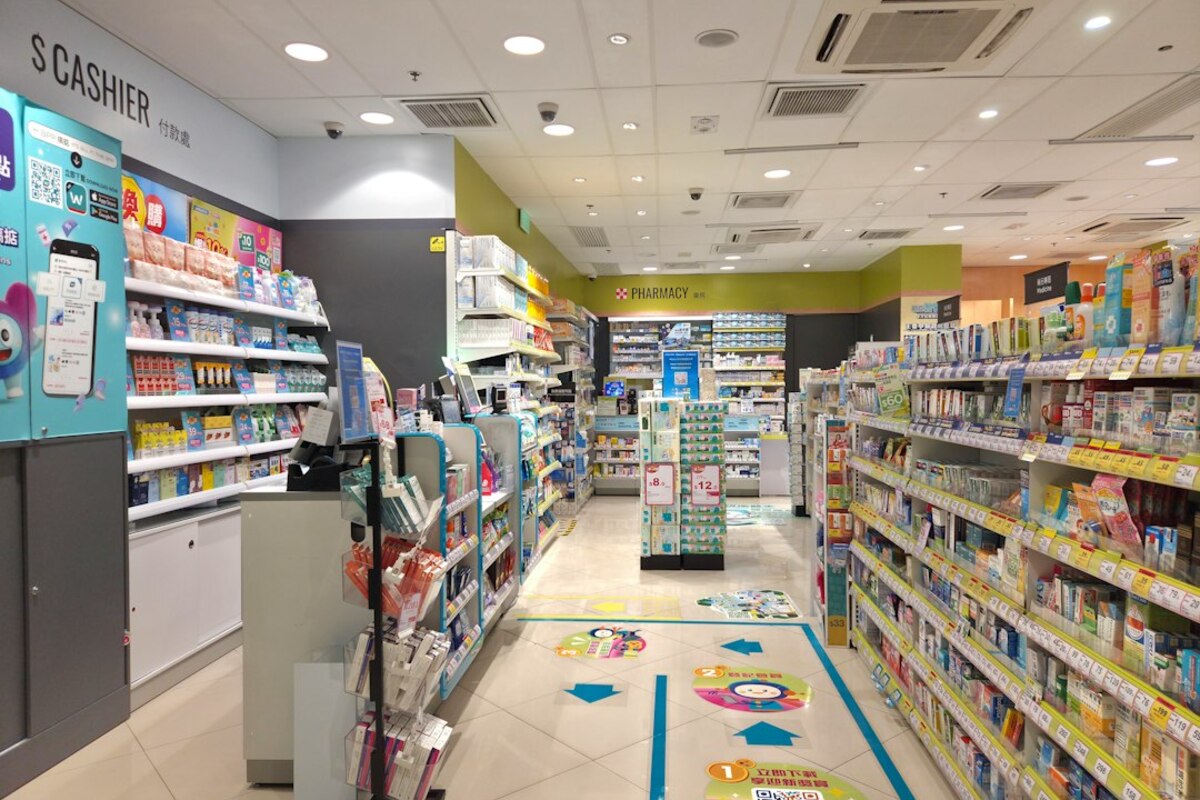
- Locked shelves are often a response to “shrink,” but they can also push honest shoppers to buy less—or shop elsewhere.
- The hidden cost isn’t just inconvenience: it can change staffing, pricing, and which products a store keeps in stock.
- You can reduce friction by planning ahead, using pickup options strategically, and knowing what to ask for at the counter.
The new “glass case” era: why toothpaste suddenly needs a key
You walk into a store to grab three basics: deodorant, razors, and a pack of allergy pills. Five minutes later, you’re standing in front of a clear plastic door with a small metal lock, pressing the call button that may or may not work. This used to happen only with high-end electronics. Now it’s happening with everyday items that feel oddly… unglamorous.
Locked displays for common products are showing up in drugstores, big-box retailers, and even some grocery chains. What’s behind it isn’t a single villain or a simple “stores are getting stingy” storyline. It’s a business response to a mix of theft patterns, staffing realities, and a surprisingly complicated math problem that affects what you pay and how you shop.
A helpful way to think about it: a store is like a small “local warehouse” with an open front door. The entire model only works when most shoppers follow the rules most of the time, and when losses stay within a range the business can handle. When those losses spike in specific aisles—like health and beauty, small electronics, and OTC medicine—stores start treating those aisles differently.
Retailers often talk about shrink, which is a catch-all term for inventory that disappears or becomes unsellable. That includes theft, but also damaged goods, vendor errors, and paperwork mistakes. When you see a lock, the store is signaling: “This section is costing us enough that we’re changing the experience.”
What makes it feel personal is that locked cases don’t only target people who steal. They add friction for everyone. And friction is a big deal in retail: shoppers abandon carts, switch stores, or simply decide “I’ll deal with this later.”
Here’s a quick look at the trade-offs the store is weighing when it adds a lock.
| Store goal | What locking items can help | What it can accidentally hurt |
|---|---|---|
| Reduce losses in a high-theft aisle | Harder to grab-and-go; fewer empty shelves | Honest shoppers may skip the purchase |
| Keep popular items in stock | Less “inventory drain” between shipments | Slower browsing can reduce impulse buys |
| Control security costs | Locks may be cheaper than dedicated guards | More staff time unlocking cases, fewer staff elsewhere |
| Protect certain brands/SKUs | Targets the most frequently stolen items | Customers might switch to online or competitors |
Notice what’s missing: “Make shopping more pleasant.” No retailer wants customers to wait for keys, but many are deciding it’s better than the alternative: empty shelves, higher losses, and fewer products carried in-store.

How locks reshape prices, staffing, and even what products you get to choose from
Locked cases look like a simple fix—put a barrier between the product and the exit. In reality, they ripple through the business in ways you can feel without ever seeing an internal spreadsheet.
1) The time tax is real (and it changes buying behavior). When a product is locked up, the purchase stops being “grab it while I’m here” and becomes “start a mini-process.” That mini-process often includes:
- finding the right case,
- getting an employee’s attention,
- waiting for a key or staff member with access,
- sometimes walking the item to a register or holding area.
Each step increases the chance you’ll give up, choose a different item, or decide to buy it online later. For the store, that can mean fewer sales even while shrink improves. For you, it can mean more “fine, I’ll just do a delivery order” moments.
2) Locked cases can quietly push stores toward “curated” shelves. If a store has to lock up an aisle, it will often reduce how many different versions it carries. Fewer variations = easier to manage, easier to secure, easier to restock. That’s why you may notice the locked section has the “big sellers” but fewer niche options (sensitive-skin formulas, unusual sizes, specialty brands).
This can also affect innovation in a weird way. New products often win by being easy to try on a whim. If the shelf is locked, “impulse trial” becomes “ask someone to unlock it,” which is a much higher bar for a brand-new item.
3) Labor is the hidden battleground. Many shoppers assume locks replace the need for labor. But locks also create work: responding to call buttons, walking across the store, and monitoring the interaction. If staffing is thin (which is common), the bottleneck becomes the employee, not the lock.
That’s why two stores in the same chain can feel totally different. One has enough staff to unlock quickly. The other leaves customers waiting long enough to abandon the idea.
4) Prices don’t move in a straight line. Shoppers often ask: “If theft goes up, do prices go up?” Sometimes. But it isn’t a simple one-to-one relationship, and locks complicate it further.
Retailers generally price items based on competition, supplier costs, and what customers will pay in that area, not purely on shrink. Still, sustained losses can lead to changes like:
- More investment in security (locks, tags, cameras), which is a cost the store has to absorb or offset.
- Changing the product mix (carrying fewer small, easy-to-steal items).
- Closing or reducing hours at specific locations where losses are persistent.
So you might not see “theft surcharge” on a receipt, but you can feel it as fewer choices, longer waits, and sometimes a store that no longer carries a product in-person.
5) The shopping experience becomes more like “requesting” than “browsing.” Think of the difference between choosing a pastry from a display versus ordering from a menu behind the counter. Browsing is casual and sensory; requesting is deliberate and slightly social (you have to talk to someone). Locks turn more of retail into “counter service,” even in stores built for self-service.
That shift matters because a lot of shopping is not rational optimization—it’s quick decisions while you’re tired, in a hurry, or buying for a household. The more “steps” there are, the more shoppers default to what’s easiest.
How to shop smarter when the shelf is locked (without turning it into a whole ordeal)
Locked cases can make you feel stuck: either wait, or leave. But there are a few practical tactics that can make the experience smoother—especially if you’re shopping for routine essentials.
1) Build a “locked items” micro-list before you go. If you know your store locks certain categories (razors, nicotine replacement, allergy meds, baby formula, skincare), treat them like “special handling” items. Put them at the top of your list and grab them early rather than at the end when you’re most impatient.
Real-life scenario: You’re doing a full grocery run plus a pharmacy aisle stop. If you leave the locked deodorant for last, you might be waiting with melting frozen food. If you grab it first, you can keep shopping while the store holds it at the front or you keep it with you (depending on store policy).
2) Use pickup strategically—without overpaying in time or fees. Online pickup and curbside options can act like a “fast lane” for locked items because the employee shopping the order already has access and process. This doesn’t always save money, but it can save frustration.
- If you only need one locked item, pickup may not be worth it.
- If you need several locked items (like travel-size toiletries, razors, OTC medicine), pickup can consolidate the friction into one step.
3) Ask the right question: “Can you unlock two cases while you’re here?” If you need more than one locked product, mention it right away. Employees are often trying to minimize back-and-forth trips. Politely bundling requests can reduce everyone’s hassle.
4) Be flexible on brand, but not on purpose. Locked cases can limit choice, so decide what matters most to you:
- If you’re loyal to a specific brand for skin sensitivity, you may prefer ordering online to avoid substitution.
- If your main goal is “functional and affordable,” choose from what’s accessible and in stock.
This mindset helps you avoid the worst outcome: spending 15 minutes waiting only to discover the exact item you wanted is sold out anyway.
5) Watch for “store policy” changes that affect your flow. Some stores will:
- hand you the item after unlocking,
- walk it to a register for you,
- hold it at customer service until you check out.
None of these is “right” universally—they’re different risk-control choices. But knowing the rule helps you plan. If the store holds items at the front, you can save locked purchases for earlier and pick them up at checkout instead of carrying them around.
It can be effective for specific products that are frequently stolen and easy to resell, especially in small, high-value categories. But it often reduces sales too, because some customers won’t wait. Stores are constantly testing whether the loss reduction outweighs the drop in convenience-driven purchases.
It can be effective for specific products that are frequently stolen and easy to resell, especially in small, high-value categories. But it often reduces sales too, because some customers won’t wait. Stores are constantly testing whether the loss reduction outweighs the drop in convenience-driven purchases.
More staff and surveillance can help, but they’re ongoing costs and don’t always prevent “quick grab” losses. Locks are a physical barrier that changes the opportunity. Many retailers combine approaches—cameras, tags, store layout changes, and selective locking—depending on the location and category.
More staff and surveillance can help, but they’re ongoing costs and don’t always prevent “quick grab” losses. Locks are a physical barrier that changes the opportunity. Many retailers combine approaches—cameras, tags, store layout changes, and selective locking—depending on the location and category.
Decisions are often made at the store or regional level based on local shrink patterns, staffing levels, and how competitive that store is. A location with more losses in a particular aisle may lock it, while another location nearby keeps it open because the sales hit would be bigger than the shrink problem.
Decisions are often made at the store or regional level based on local shrink patterns, staffing levels, and how competitive that store is. A location with more losses in a particular aisle may lock it, while another location nearby keeps it open because the sales hit would be bigger than the shrink problem.
One unexpected side effect of all this is how it changes the “feel” of errands. Shopping used to be mostly self-directed: you choose, you compare, you toss it in the cart. Locked cases reintroduce a human gate—someone has to assist you. For some people, that’s just mildly annoying. For others, especially those shopping with kids, tight schedules, or accessibility needs, it can be the difference between “quick stop” and “not worth it.”
And for stores, that’s the balancing act: protect the inventory without driving away the customers who are actually paying for it.