The Quiet Office Comeback: Why Companies Are Redesigning Hybrid Work Around “Anchor Days”
More workplaces are picking specific in-office days for everyone. Here’s what “anchor days” are, why they’re spreading, and how to handle them well.
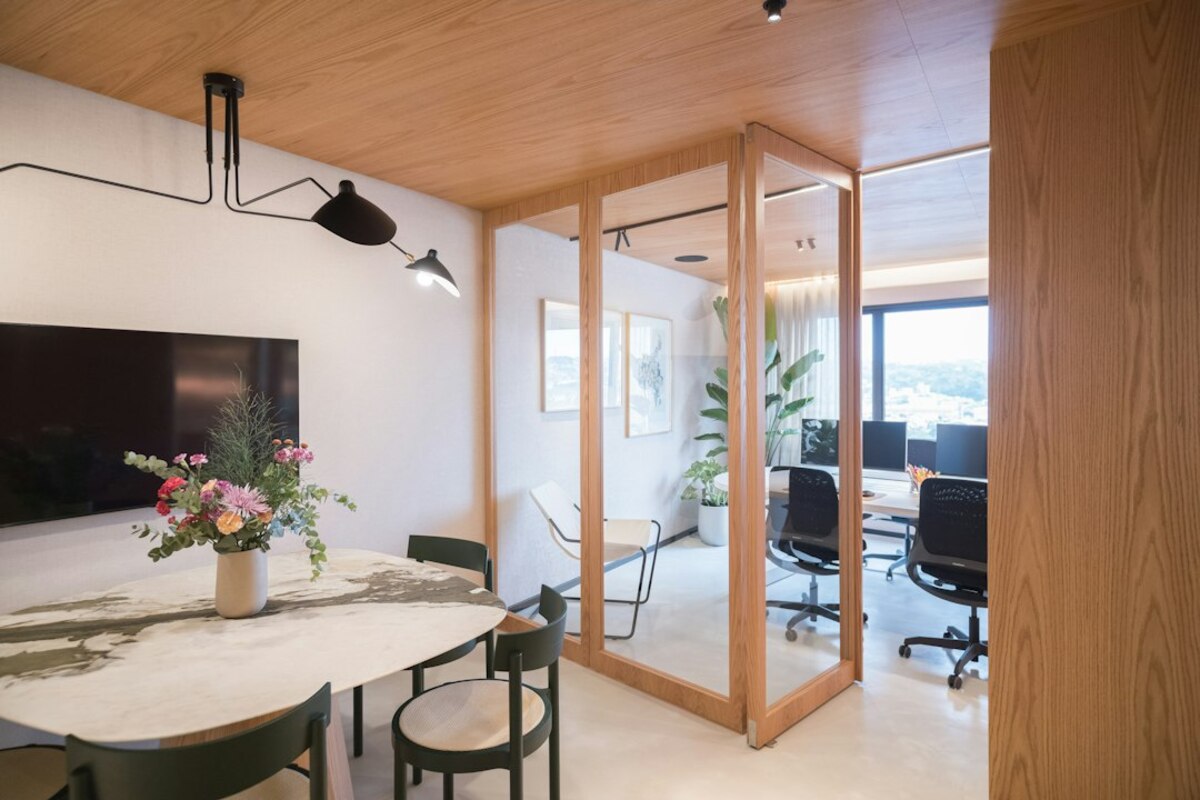
- “Anchor days” set shared in-office days to boost collaboration while keeping some flexibility
- They often reduce meeting chaos and empty-office frustration—but can also create new commuting and caregiving pressures
- You can navigate anchor days by planning collaboration-heavy tasks, protecting focus time, and setting clear team norms
What “anchor days” actually mean (and why they’re suddenly everywhere)
You might have heard a manager say something like: “We’re still hybrid… but we want everyone in Tuesday through Thursday.” Or: “Let’s pick two days a week when the whole team is in.” That’s the basic idea behind anchor days: specific days when a team (or an entire company) is expected to be in the office at the same time.
Hybrid work created a surprisingly common problem: people come in, only to find their closest collaborators stayed home. The result is a half-empty office, a commute that feels pointless, and meetings that still happen on Zoom—except now you’re on Zoom in a noisy open-plan space.
Anchor days are a practical response to that frustration. Instead of each person choosing different “office days,” a company sets overlap on purpose. Think of it like a group dinner: you can’t just say “we’ll all eat sometime this week.” The dinner only works if everyone agrees on a date.
Importantly, anchor days are not the same as a full return-to-office policy. They usually live in the middle ground: “We value flexibility, but we also value being together—so we’ll coordinate when it matters.” That balance is why they’re being discussed so much right now: companies are trying to make hybrid work feel less accidental and more intentional.
To see the difference, imagine a marketing team of eight people:
- Free-for-all hybrid: Everyone picks their own days. On Wednesday, only two people show up. The rest of the week, it’s different two people. Collaboration happens mostly online.
- Anchor-day hybrid: Everyone comes in Tuesday and Thursday. Those become the days for brainstorming, feedback, and quick decisions. The other days can be for focused work at home.
For many workplaces, that second option feels like a relief. But it also raises a question: if we’re choosing shared days, what exactly are we trying to get from them?

The business logic: what companies hope to “buy” with anchor days
Anchor days aren’t just about filling seats. They’re an attempt to solve several business problems that became obvious after the initial remote-work rush.
1) Faster decisions (less calendar ping-pong)
In a fully remote or scattered hybrid setup, small questions can take days. Someone messages, another person replies hours later, then a quick follow-up turns into a scheduled meeting, and suddenly a simple decision is a week old. When key people are in the same place on the same day, many decisions happen in a hallway chat, a five-minute desk-side check-in, or a quick whiteboard moment.
2) More “useful” office time
If employees associate the office with interruptions and video calls, office attendance drops—either formally (people push back) or informally (people comply on paper, but not in spirit). Anchor days try to make office days feel worth it: you come in because you’ll actually see the people you need.
3) Onboarding that doesn’t feel like a scavenger hunt
New hires often struggle most in disorganized hybrid environments. When you’re new, you don’t know who to ask, what’s “normal,” or which meetings matter. Anchor days give structure: there are predictable days for introductions, shadowing, informal learning, and building trust.
4) A clearer culture signal (without saying “five days or else”)
Some leaders want more in-person time but don’t want the backlash of strict mandates. Anchor days can be framed as a compromise: “We’re not forcing everyone in every day. We’re simply aligning our time together.” Whether employees experience it as a compromise depends on how it’s implemented.
5) Better use of expensive real estate
Offices cost money whether they’re full or empty. Many companies downsized or renegotiated leases, but plenty still have large spaces. Anchor days concentrate office usage, which can help planning: staffing reception, scheduling events, timing maintenance, and even negotiating future space needs with actual usage patterns in mind.
In practice, companies often combine anchor days with changes to the physical office. If the goal is collaboration, they’ll invest in more meeting rooms, better video-call setups, and shared spaces—sometimes at the expense of assigned desks.
| What hybrid problem feels like | How anchor days try to fix it | What can still go wrong |
|---|---|---|
| “I commute just to sit on Zoom.” | Schedule overlap so key people are present in person. | Meetings still default to video if habits don’t change. |
| “We never bump into each other anymore.” | Create predictable days for informal interaction. | Office days become meeting marathons with no time to connect. |
| “New hires feel disconnected.” | Make it easier to plan onboarding and mentorship in person. | New hires on different schedules still feel left out. |
| “Teams don’t move as one.” | Use shared days for planning, retros, and cross-team alignment. | Anchor days become symbolic attendance rather than meaningful collaboration. |
When anchor days work, people often describe the office as feeling “alive” again—like there’s a reason to be there. When they don’t work, employees experience them as an expensive ritual: the same work, in a less comfortable location.
How anchor days affect your everyday work (and how to make them actually useful)
If your workplace is adopting anchor days—or you suspect it will—your day-to-day experience will depend less on the policy itself and more on the unwritten rules around it. Two companies can have “two days in office” and end up with completely different realities.
Here are the most common ways anchor days change work life, with practical ways to handle each one.
They reshape your weekly rhythm
A lot of people end up with an informal split: collaboration days in the office and focus days at home. That’s the upside. The downside is that office days can get overloaded with meetings because everyone tries to “use the overlap.”
Try this: treat anchor days like a limited resource. Reserve them for work that genuinely benefits from being in the same room.
- Brainstorming, whiteboarding, creative reviews
- Complex decisions with lots of back-and-forth
- Onboarding, mentoring, performance check-ins
- Cross-team relationship-building (the “people glue” work)
Then protect at least one block of time on anchor days for deep work, so the day doesn’t become wall-to-wall talking.
They change the “visibility” game
In many organizations, being seen still matters. Anchor days concentrate visibility into a smaller window. That can feel fair (“everyone’s in on the same days”), but it can also create anxiety: if you miss an anchor day because of a sick child or a delayed train, you might worry you’ll be judged.
Try this: ask your team to define what “being present” means. Is it being in the building? Being available for key meetings? Being present for certain hours? The clearer it is, the less it turns into guesswork and guilt.
They can improve—or destroy—meeting quality
Anchor days can make meetings better because people can do quick pre-meeting chats and faster follow-ups. But they can also make meetings worse if everyone schedules everything on those days, leaving no room for actual work.
Try this: adopt a simple rule: not every meeting deserves the anchor day. For recurring updates, keep them remote even if it’s an anchor day. Save in-person time for meetings that benefit from energy, body language, or hands-on collaboration.
They create a new logistical layer
Commutes, school drop-offs, elder care, medical appointments—real life doesn’t neatly match “everyone be in on Wednesday.” Anchor days can increase stress if they’re rigid, especially for people who live farther away or have caregiving responsibilities.
Try this: if you have influence, push for flexibility inside the structure. For example:
- Allow a “make-up day” option (two days in-office, but not always the same two)
- Set core hours (e.g., 10–3) instead of a full-day expectation
- Encourage managers to plan high-value in-person moments and keep the rest optional
They highlight whether the office is designed for the way you work now
Hybrid employees often discover the office hasn’t caught up. Common complaints: not enough meeting rooms, too many open spaces for calls, poor audio/video in conference rooms, and complicated desk booking.
Try this: document friction as specific examples instead of general frustration. “There were no rooms for a client call at 2pm, so I took it in the kitchen and could barely hear” is more actionable than “the office setup is bad.”
Sometimes. In some companies, anchor days are a genuine attempt to balance flexibility and collaboration. In others, they’re a step-by-step ramp toward more mandatory time in the office. The clearest signal is whether leaders also redesign workflows (meeting norms, onboarding, office layout) or whether the change is mostly about attendance tracking.
Sometimes. In some companies, anchor days are a genuine attempt to balance flexibility and collaboration. In others, they’re a step-by-step ramp toward more mandatory time in the office. The clearest signal is whether leaders also redesign workflows (meeting norms, onboarding, office layout) or whether the change is mostly about attendance tracking.
This is common, especially in larger organizations. It can work well if cross-team collaboration is limited. If your job depends on other teams, mismatched anchor days can recreate the “empty office” problem—just at a bigger scale. A practical fix is to set one shared company-wide anchor day for cross-functional work, plus one team-specific day.
This is common, especially in larger organizations. It can work well if cross-team collaboration is limited. If your job depends on other teams, mismatched anchor days can recreate the “empty office” problem—just at a bigger scale. A practical fix is to set one shared company-wide anchor day for cross-functional work, plus one team-specific day.
Plan your anchor day around things that gain value from face time: quick alignment chats, co-working sessions, feedback reviews, or mentorship. If your calendar is packed with status meetings that could have been emails, push to move those to non-anchor days and keep the in-person day for higher-value work.
Plan your anchor day around things that gain value from face time: quick alignment chats, co-working sessions, feedback reviews, or mentorship. If your calendar is packed with status meetings that could have been emails, push to move those to non-anchor days and keep the in-person day for higher-value work.
Anchor days are, at their core, an attempt to answer a simple question: If we’re going to be together in person sometimes, how do we make that time count? When the answer is clear—better collaboration, faster decisions, easier learning—the schedule can feel like a helpful rhythm. When the answer is fuzzy—“because leadership wants it”—it tends to feel like enforced commuting.
Either way, anchor days are becoming one of the defining workplace patterns of the moment, because they touch something very human: we want flexibility, but we also want to feel connected to the people we work with. Coordinating time is one of the oldest business problems there is. We’re just solving it again, with new tools and new expectations.